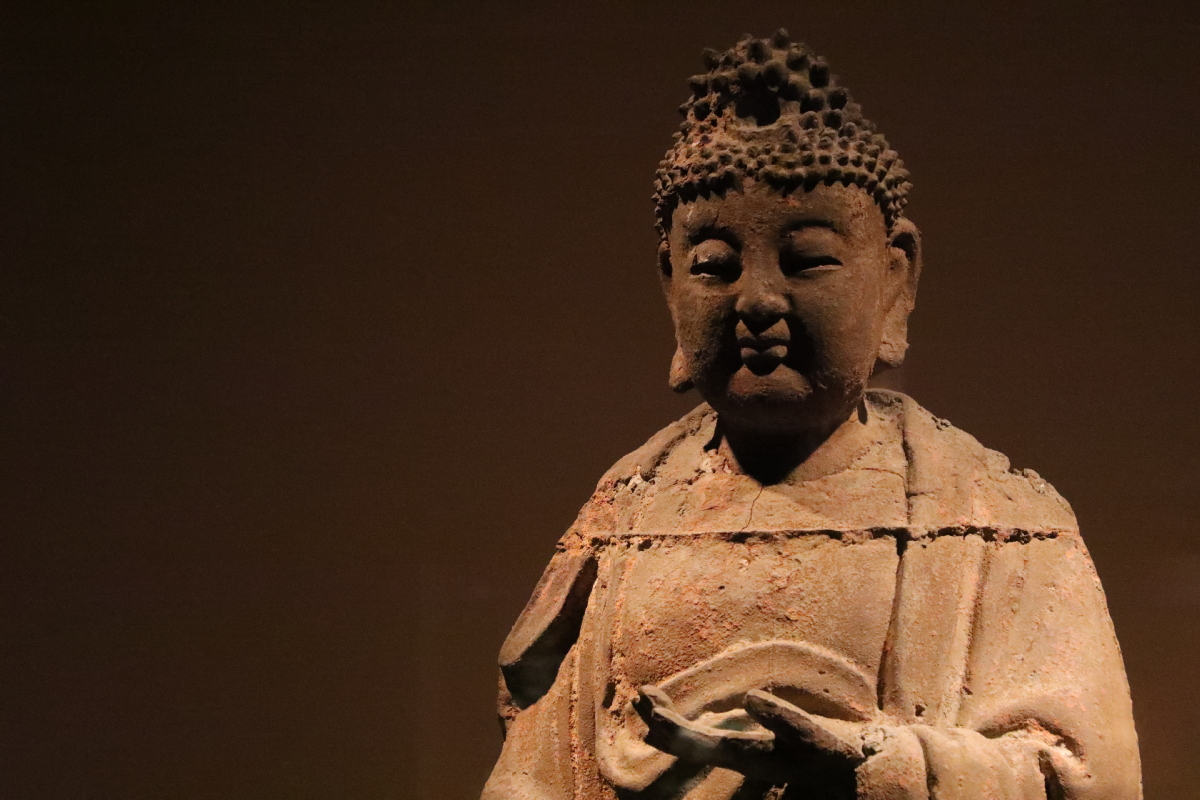
Chinese Buddhist Sculpture
Introduction
Chinese Buddhist sculpture, or Buddhist statue, is a significant component of Buddhist art, reflecting not only religious devotion but also the development of artistic expression and craftsmanship in China over centuries. These sculptures, which range from small statuettes to monumental statues, play a crucial role in both historical and contemporary museum exhibitions and art markets due to their aesthetic and cultural value.
Historical Context
Buddhism was introduced to China from India approximately 2,000 years ago. Over time, it became a major influence on Chinese culture, leading to the creation of diverse forms of Buddhist art. The sculptures serve as a testament to the cultural exchanges between China and other civilizations as Buddhism spread throughout the region. The adaptation of Buddhist art into Chinese culture was marked by the integration of local aesthetics and regional beliefs, resulting in distinctly Chinese styles of Buddhist sculpture.
Evolution and Craftsmanship
As Buddhism spread throughout China, the art form evolved, incorporating indigenous Chinese aesthetics and regional characteristics. During the fourth century and the Tang Dynasty (618-907), clay figures began to incorporate Chinese physical features and became a more accessible medium for artisans.
During the same era, stone sculptures gained prominence, especially in the construction of monumental Buddhist grottoes in the provinces of Shanxi, Gansu, Henan and Jiangsu. These stone figures, often found in cities like Qingzhou, became central in the portrayal of Buddhist deities, highlighting the region's role as a center of Buddhism.
Wooden sculptures from the Song Dynasty (960-1279), such as the iconic 2-meter-high Guanyin, further illustrate the evolution of craftsmanship. These sculptures, though rare, are esteemed for their intricate details and reflect the transition of Avalokitesvara from a male figure in Indian Buddhism to a distinctly female embodiment in Chinese art. This transformation is emblematic of the broader aesthetic shifts from the Tang to the Song dynasties, where the emphasis on power and strength gave way to a subtler expression of beauty and grace.








